
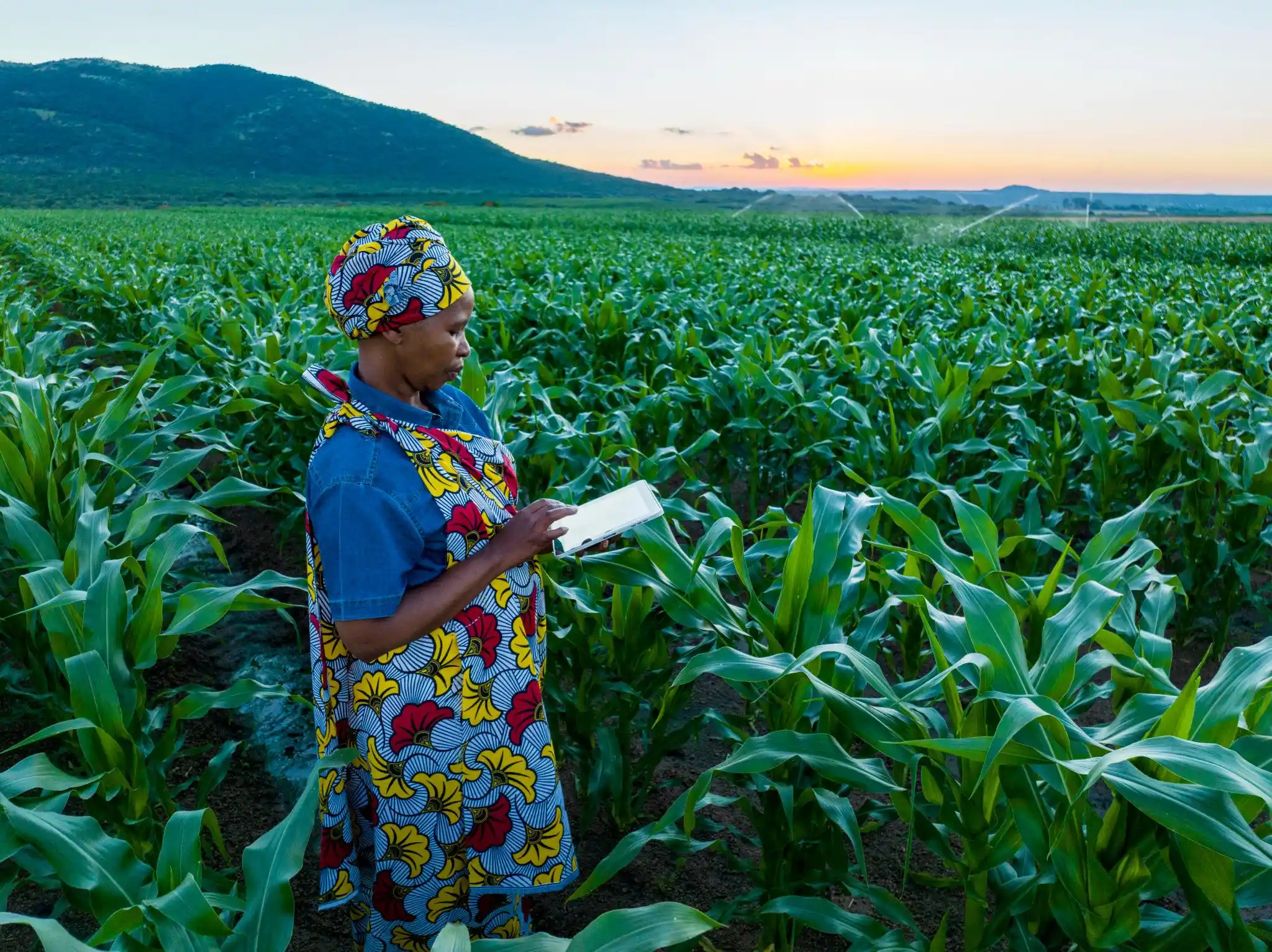
Investing in Africa’s Food Future: Modern Agriculture for Sustainable Growth
Agriculture: More Than Food Production
Agriculture has the potential to become one of Africa’s most powerful drivers of inclusive economic growth. Beyond producing food, a strong agricultural sector can create employment, stimulate rural economies, support local industries and open new opportunities for investment.
Yet unlocking this potential requires more than access to land. It calls for strategic capital, reliable infrastructure, modern farming methods, efficient supply chains and partnerships that connect producers with markets.
At Mzansi Consortium, we view agriculture as an integrated investment opportunity — one that brings together productive land, operational capability, infrastructure and long-term economic development.
Building More Productive and Resilient Farming Systems
Modern agriculture is changing how food is produced, processed and distributed. From improved seed varieties and precision farming to mechanisation and smart irrigation, practical innovations can help farmers improve productivity while making better use of available resources.
However, technology alone is not enough. Successful agricultural development depends on matching the right solutions to local conditions, market requirements and the needs of farming communities.
A sustainable approach considers the entire production cycle, including land preparation, planting, water management, harvesting, storage and distribution.
For investors and development partners, this creates opportunities to support projects that combine agricultural production with the infrastructure and expertise needed to operate efficiently.
Infrastructure Is the Foundation of Agricultural Growth
Agricultural potential can be limited when essential infrastructure is missing. Inadequate irrigation, unreliable power, insufficient storage and costly transportation can prevent farmers from reaching their full productive capacity.
Strategic investment in agricultural infrastructure can help address these challenges.
Key areas of opportunity include:
- Land development and irrigation: Preparing suitable land and improving access to reliable water resources.
- Storage and post-harvest facilities: Reducing avoidable losses and protecting the quality of harvested produce.
- Processing infrastructure: Supporting local value addition instead of relying exclusively on the sale of raw commodities.
- Transport and logistics: Improving connections between farms, processing facilities, distribution networks and end markets.
- Digital agricultural solutions: Supporting better planning, monitoring and resource management.
When these elements are developed together, agriculture becomes more than an isolated production activity. It becomes part of a connected economic system.
Creating Value Beyond the Farm
The value of agriculture extends far beyond the farm gate.
Maize, soybeans, wheat, horticultural produce and livestock can support wider commercial activities, including food processing, packaging, storage, transportation and distribution.
Developing these connections creates opportunities for local businesses to participate in agricultural value chains. It can also encourage skills development, enterprise growth and greater economic participation in rural communities.
For example, an agricultural project that combines crop production with storage and processing facilities may create opportunities across several stages of the value chain. Farmers gain access to supporting infrastructure, processors gain access to raw materials, and logistics providers help connect products with buyers.
The opportunity lies in developing commercially viable systems that create value across multiple stages of production and distribution.
Sustainability and Community Participation
Long-term agricultural success depends on responsible resource management and the participation of the communities connected to each project.
Soil health, water efficiency, biodiversity and climate resilience must be considered alongside productivity and commercial performance.
Equally important is the development of local capabilities. Training, supplier participation and employment opportunities can help communities build the skills and experience needed to support agricultural activities over time.
A responsible investment approach therefore considers not only what a project produces, but also how it operates, who participates in its value chain and what capabilities remain in the local economy.
The Role of Strategic Partnerships
Agricultural transformation requires collaboration among investors, landowners, government institutions, technical specialists, producers, infrastructure providers and market participants.
Each partner contributes different capabilities. Investment can support project development, technical expertise can improve implementation, and commercial partnerships can strengthen access to markets.
Mzansi Consortium’s integrated approach brings together strategic investment, infrastructure development and operational capability to explore opportunities across agriculture and related sectors.
By connecting these elements, projects can be structured around practical requirements, clear objectives and long-term value creation.
Looking Ahead: Turning Agricultural Potential into Lasting Value
Africa’s agricultural future will depend on how effectively the continent connects productive resources with capital, infrastructure, knowledge and markets.
Modern farming practices are important, but lasting progress also requires coordinated investment, disciplined execution and a commitment to sustainable development.
At Mzansi Consortium, we believe agricultural opportunities should be approached with a long-term perspective — one that recognises commercial potential while supporting food security, community participation and economic resilience.
Let’s explore what is possible.
Whether you represent an investment institution, government body, development organisation or private-sector enterprise, Mzansi Consortium welcomes conversations around agricultural opportunities and strategic collaboration.